
Ntityix Development Corporation

Ntityix Development Corporation

In nsyilxcən, the language of the syilx / Okanagan People, ntityix is the word for spring salmon, one of the four Food Chiefs responsible for all creatures in the water. The salmon also represents economic issues in the life of a community, as the cyclical nature of its life mimics the ups and downs of our modern economy. Similar to how salmon overcome barriers to ensure the success of their offspring, Ntityix Development Corporation also pushes boundaries and strives for the prosperity and well-being of current and future generations.

The company was originally established as Westbank Indian Band Development Company in 1973, marking one of the many steps the community took to reclaim its future and self-governance. Between the 1970s and early 1990s, predating Westbank First Nations’ (WFN) tax code, the organization had its first foray into development, building over 200 homes. In the ’90s, it expanded with forestry and construction divisions. By 2005, all divisions were incorporated under WFN Holdings Ltd., which was reorganized and rebranded as Ntityix Development Corporation in 2014.

These changes have allowed Ntityix’s management team to refocus its energy, resulting in improved performance, increased momentum, and more meaningful strategic work with community members and WFN Chief and Council. The company’s business objectives are closely aligned with community goals.

The company’s portfolio includes resident and commercial real estate, forestry management, construction management, and professional services. Significant partnerships on the real estate side include a 40% stake in Snyatan Shopping Centre, a 94,000 sq. ft. development with numerous retail spaces, and a 50/50 partnership with Churchill International Property at Okanagan Lake Shopping Centre, featuring 127,000 sq. ft. of retail shops.

As one of the fastest-growing regions in Canada, the area continues to see the development of new land parcels. Looking ahead, it’s all about community enhancement and sustainable growth. The company recently remediated existing rentals and will be building new townhouses, which will offer affordable rentals to the community.

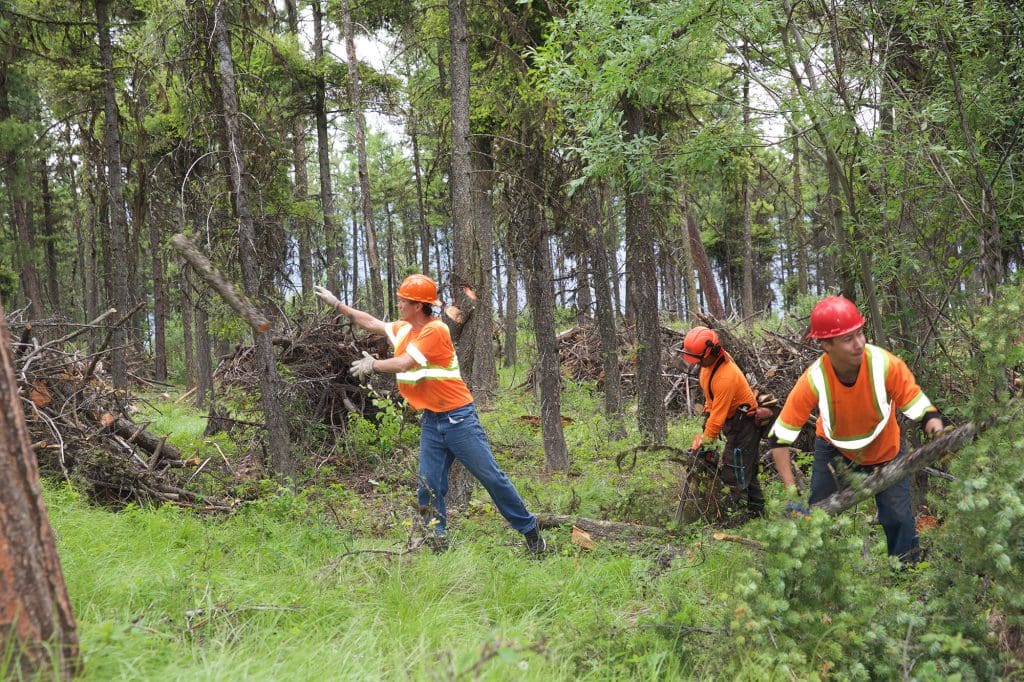
They are also modernizing Lakeridge Park and extending subleases for stable revenue, rebuilding infrastructure, and pursuing small development permits for housing. Future possibilities may include higher densities and other types of developments in the area. The construction group continues to grow, and the organization is diversifying its forestry activities to include value-added services, consulting, fire mitigation and remediation, pruning, and forest health.

“We keep building on the experience the company has,” says Derickson. “Through the forestry division, we have a different types of contracting revenue streams such as wildfire mitigation projects, salvaging wood and creating a remediation plan for the area that burned in 2023.”

Ntityix continues to look for additional ways to support the community and its future. The forestry side of the business already has a private bursary program for WFN members, and they are exploring opportunities to provide scholarships and participate in co-op programs within the region. They are also setting their sights on succession planning and looking for ways to train and retain the next generation of tradespeople in construction and forestry.

In recognition of its development achievements, Ntityix was the recipient of the 2020 Aboriginal Economic Development Corporation award. Presented by the Canadian Council for Aboriginal Business (CCAB), the award recognizes an organization that increases the prosperity and sustainable economic development of its community.

In 2024, the construction arm of the business, Kilawna Builders Ltd., won in the Indigenous Business category at the Greater Westside Board of Trade Key Business Awards, while the year before, they accepted two commercial office and renovation awards at the SICA (Southern Interior Construction Association) Industry Awards of Excellence.

Prior to that, in 2022, Ntityix Resources LP, the forestry division, was honoured by the Forest Products Association of Canada with the Indigenous Business Leadership Award, partly in recognition of the company’s commitment to its community and support of Indigenous employment. They were also awarded the Robin Hood Memorial Award for Excellence in Community Forestry in 2021, which included a $10,000 grant from the provincial government.

Sustainable forest management, building with mass timber, and hiring the right people as they expand their team are just a few of the things that are top of mind for Ntityix as they consider future projects and growth.

“Everything used to be run with Chief, Council, and Westbank First Nation Staff,” explains Ntityix Business Development Officer, Nelson Derickson. “After 2005, the company started getting its own staff and separate offices, followed by the addition of independent directors and officers in the last 8 years or so.”
“We’re here to support the financial success, as well as the health and wellbeing, of WFN members,” notes Derickson. “We strive to make the community a healthier place by providing jobs, diversifying revenue streams, and developing partnerships that increase revenue and lead to future opportunities.”

“We continue to build on the success and awareness of the work we are doing,” notes Derickson. “We want to continue growing in a more meaningful and sustainable way, with consideration of the seventh-generation principle. We want the community to really feel like it’s their company.”

Woolly Bear Jewelry

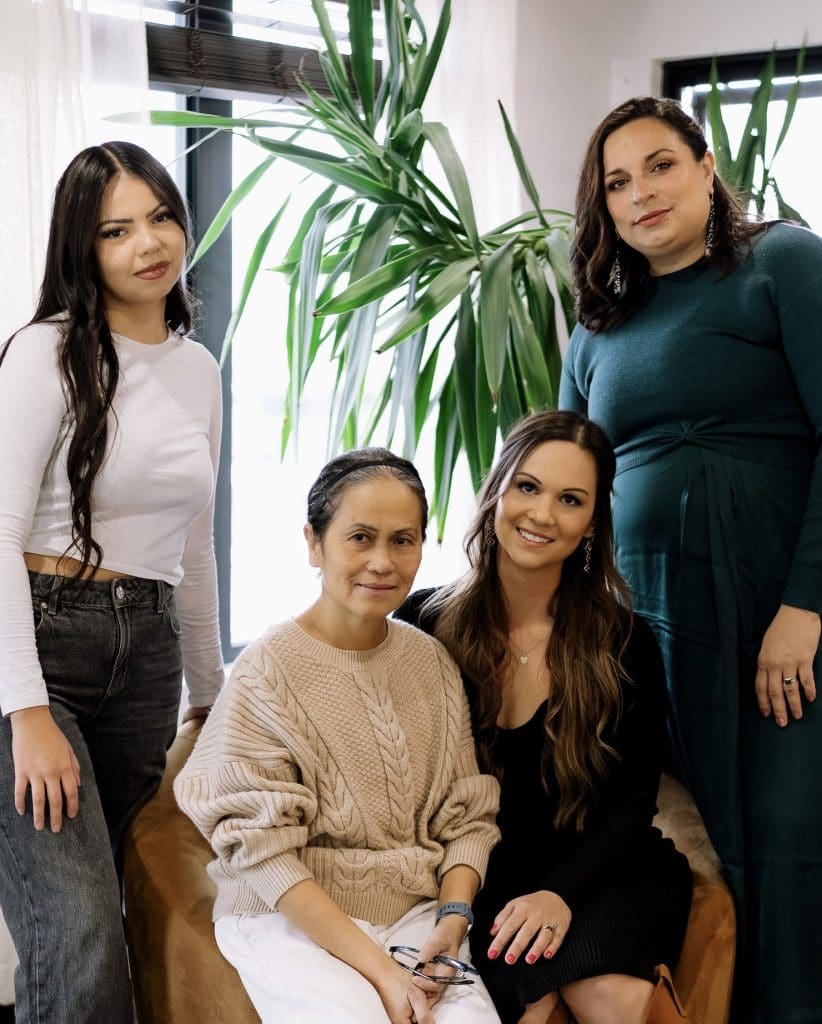
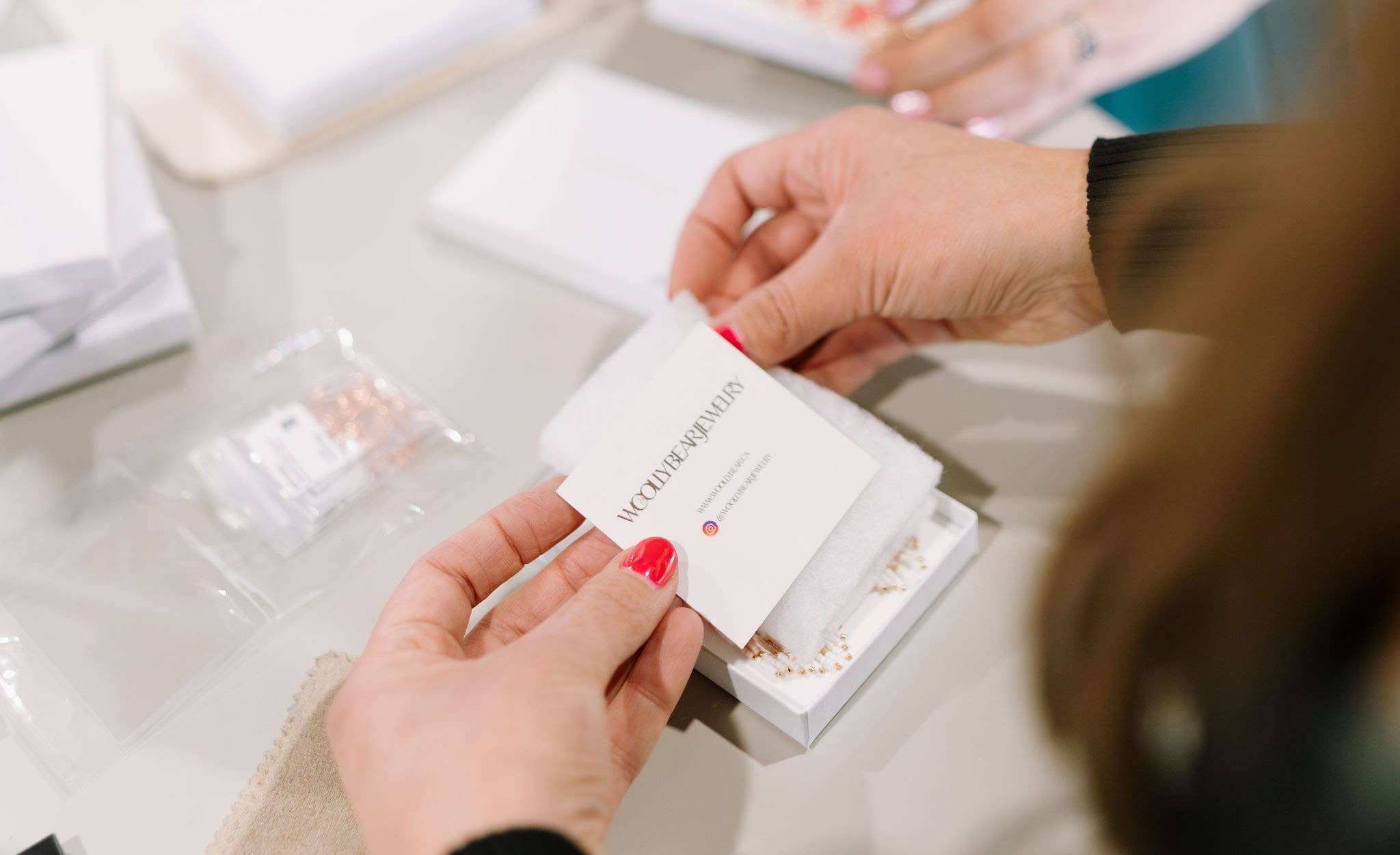
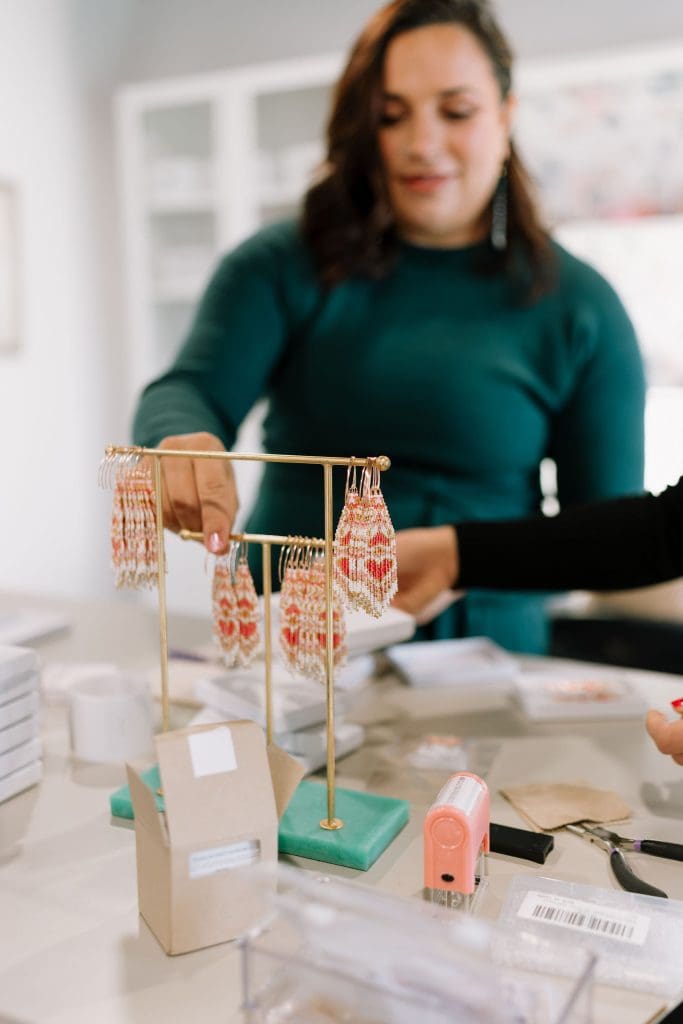
Eden Derickson’s journey into entrepreneurship started in 2018, spurred from her search for work that would align with raising her young son. With encouragement and support from her husband, Eden started her journey into beadwork and business ownership in the simplest of ways, by making handmade earrings as Christmas gifts that year. This ignited her passion for the craft.

As a self-taught beadwork artist, Eden made it a priority to discover her own style. While she was inspired by other bead artists and creators, as well as by the “landscapes and cultural landmarks of the Okanagan,” Eden crafted creations that were uniquely her own. In 2019, she officially launched Woolly Bear Jewelry (originally named HawkMoth Bead Co.) with her husband Michael Derickson, a proud member of Westbank First Nation (WFN).

“Orders grew quickly and soon my husband learned to bead alongside me so we could keep up with demand,” says Eden. “In 2020, I taught my mom how to bead, and she joined in, with the three of us working together as a family.”

During this time of early growth, well-known Canadian influencers and Central Okanagan residents, Jillian Harris and Tori Wesszer, started to purchase from Woolly Bear Jewelry; this led to thousands of new followers and customers thanks to social media mentions by both Jillian and Tori, who continue to support the business in many ways.

“The Okanagan itself is a region that values culture and craftsmanship, which means there is already a customer base that appreciates handmade, artisanal products,” explains Eden. “This has allowed Woolly Bear Jewelry to thrive in a supportive environment where artistry is understood and celebrated.”

While demand continued to grow, the birth of her second son and a shoulder injury forced Eden to step away from the business for about a year. It was after this short reprieve that the rebranding to Woolly Bear Jewelry occurred, taking inspiration from the Woolly Bear caterpillars she played with as a child growing up in Ontario. A few days after settling on the new business name, Michael found a hibernating Woolly Bear caterpillar near their Okanagan home, which the couple took as a sign that they were on the right path.

“The caterpillar also speaks to my own journey of transformation, in the beginning questioning if I could create these beautiful pieces of jewelry,” notes Eden. “The community was like the cocoon that nurtured me along the way.”

This nurturing community includes the Canadian Filipino family Eden was raised in, and the syilx Okanagan family she is now part of through marriage. The “rich and diverse cultural family heritage” that Eden and Michael share influences every aspect of their business.

The familial ties and friendships within WFN, along with the relationships and partnerships Eden and Micheal have cultivated in the broader business community, have also helped further Woolly Bear Jewelry’s growth. Bringing on her cousin by marriage, Salina, as another beadwork artist in 2023 was also invaluable.

“Being located here [on Westbank First Nation land in the Central Okanagan] connects us with a network of like-minded entrepreneurs. Whether it’s through the Westside Board of Trade, local business circles, or social media groups, there’s always a sense of collaboration. Advice, support, and mentorship flow naturally in this community.”

“We’ve been fortunate to work with Jillian Harris and The Jilly Box team, whose support has amplified our reach, and with Krista and the team at JK Schmidt Jewellery, who have provided a local home for our work in their long-standing Westbank showroom,” notes Eden. “Julie Pringle (Vice President of the Greater Westside Board of Trade) and the Greater Westside Board of Trade have championed local entrepreneurs like us, and we continue to be supported by our family and friends at RMD Group and NC Derriksan and Son Enterprises, who’ve been behind us since the very beginning.”

Over the years, Woolly Bear Jewelry, which operates on WFN land, has been nominated for multiple awards, including for Indigenous Business at the Greater Westside Board of Trade’s 2025 Key Business Awards. Though they didn’t take home the award this time around, Eden says they “look forward to participating in more events that celebrate entrepreneurship and community leadership.”

Eden and Michael’s entrepreneurial journey has flourished since the early days of launching the company. Recently, they have ventured into new lines of business within the jewelry space, started offering Woolly Bear patterns to share knowledge with other artists, and continue to nurture the familial aspect of the business, thanks to son Koda’s attention to detail and eagerness to get involved. Being a leader in the community is something Eden is also furthering, thanks in part to Woolly Bear receiving its first large wholesale order.

“I reached out to the WFN community for bead workers to join us, and the response has been overwhelming,” she exclaims. “The talent and creativity within this community have been incredible, and I am grateful to collaborate in such a meaningful way.”

Through this collaborative work, Eden hopes to nurture artists and help them aspire to own their own companies one day, built off the Woolly Bear brand to create a sustainable community that honours the values the company was founded on: artistry, community connection, and a strong Okanagan identity.

“On a practical level, the Central Okanagan offers us the infrastructure to grow. Proximity to postal services and shipping hubs makes it possible for us to deliver our jewelry not only across Canada and the United States but even to customers as far away as the UK. That reach has been key to sustaining our growth while still staying rooted in our home community.”

Kekuli Café

Sharon Bond-Hogg—Founder of Kekuli Café, CEO of Kekuli Café Properties Inc., and a proud member of the Nooaitch First Nation—had always dreamed of owning a restaurant. In pursuit of this dream, she started constructing a foundation through catering and pop-ups while working full-time.

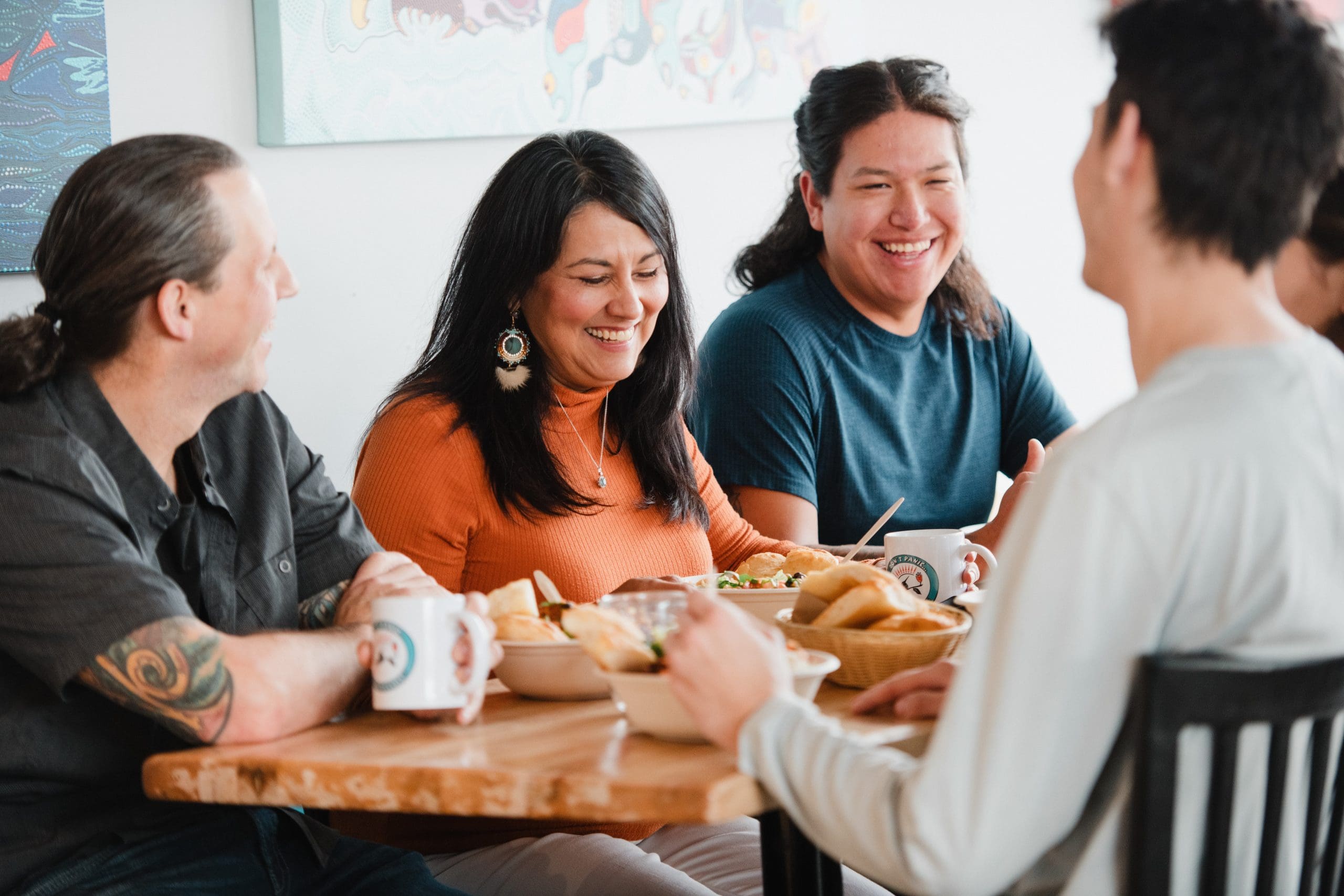
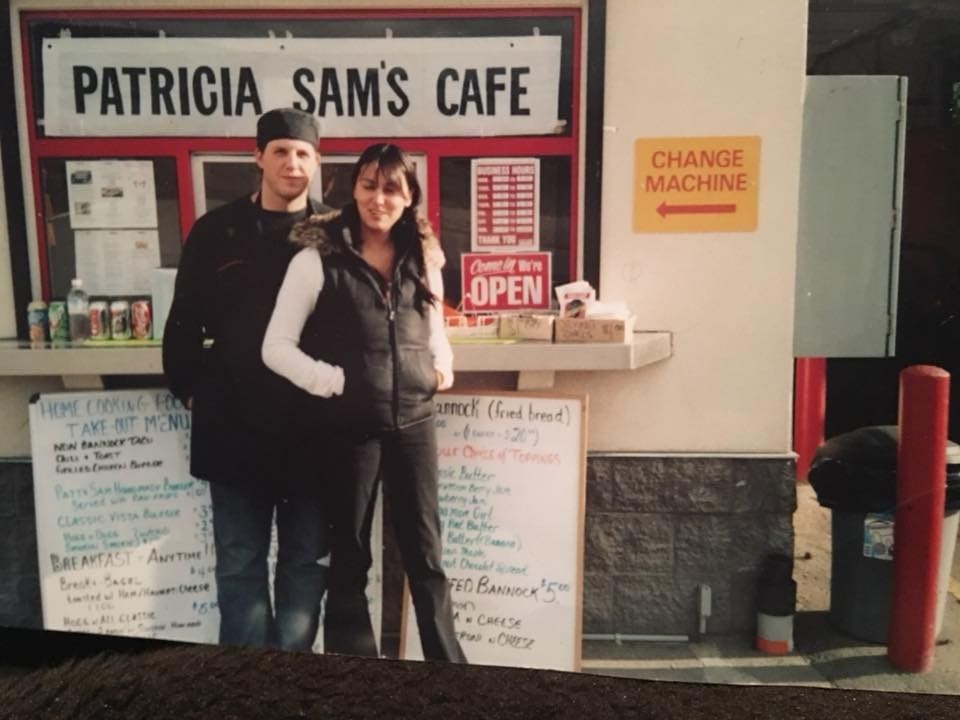
“We were initially selling bannock at Westside Daze,” says Sharon, noting that people weren’t familiar with the Indigenous fry bread, so they had to market it effectively to be successful. The tagline that eventually came to be associated with Sharon’s restaurant, Kekuli Café—Don’t Panic, We Have Bannock—was born from the concession stand after one customer came up and exclaimed, “I’m in a panic for bannock.”

In 2004, thanks to the success of the original Westside Daze stand, Sharon and her husband, Darren Hogg, were offered a small concession spot at a car wash on Westbank First Nation land. This was a pivotal step towards the launch of the café.

The couple’s hard work and perseverance paid off. Kekuli Café, one of the Okanagan’s first Indigenous restaurants, became a reality in the fall of 2009, offering a unique dining experience that now blends fast casual and grab-and-go concepts.

While the decision to launch in Westbank First Nation was due in part to it being their home—Sharon has called the traditional, unceded territory of the syilx / Okanagan People home for more than 30 years—it was also strategic, driven by the area’s growth and development, which has accelerated continuously since.

When they first opened, Sharon notes they “wanted to be something for everyone,” but she soon realized that left them floundering at times. So, through the years, they’ve taken time to think about who they are and the ways in which they want to share Indigenous cuisine.

“I wanted to serve venison, salmon, saskatoon berries, the food I grew up with,” she says. “We’ve created unique, fresh menu items and an ambiance for people to try something different.”

From the original Westbank location, they went on to open a second location in Merritt—where Sharon was born—in 2014, followed by a third franchised location in Kamloops in 2022. The couple eventually sold the second location and Kekuli Café Properties Inc. was born as the franchise arm of the business, with Sharon as its CEO and Darren as CFO.

Over the years, Sharon’s entrepreneurial ambition and numerous achievements have been deservedly celebrated. In 2020, she was recognized as the National Aboriginal Capital Corporation Businesswoman of the Year and in 2022, she received the Spirit Award at the Kelowna Women in Business RISE Awards, which “recognizes a woman who demonstrates leadership in diversity, equity and inclusion in their business or the community at large.”

In addition to her entrepreneurial endeavours, Sharon serves on the Indigenous Tourism BC Board of Directors and was elected to the Westbank First Nation Economic Development Commission, a role she is thrilled to take on after living and working in the community for so long.

Through all her roles, Sharon is always looking for opportunities to help other businesses and shares her expertise through mentorship, reinforcing Kekuli Café’s role as a community cornerstone.

This includes promoting Indigenous artists and local initiatives like Jewels of Hope, which supports women experiencing homelessness, by selling handicrafts in the café. They also regularly donate bannock for celebrations and funerals within their community.

Looking ahead, the couple aims to open a fifth location in the Okanagan and expand further through their franchise development company, aspiring to have 10 locations in total within the next few years. As the business has become more sustainable, it has allowed Sharon and Darren to focus on long-term strategies and staff training. They have weathered the pandemic through community support and adaptability, creating jobs and opportunities, and furthering vital relationships within the community.

“From 2007 to 2009, we worked on creating our business plan and securing funding for the café,” notes Sharon. “Through meetings with Indigenous financial institutions and other banks, we knew what needed to be done to achieve our goal.”

“In the fall of 2022, we launched a new business model for our fourth location at Okanagan College’s Kelowna Campus,” says Sharon. “We had to develop a menu and only had a few months to figure it out.”

“We’ve been able to create something that a lot of our community members need; a place where people can go and feel acknowledged and included,” says Sharon of Kekuli Café’s inclusive space, which honours Indigenous history and entrepreneurship, and provides a legacy for future generations, one piece of bannock at a time.

Niche Wine Co.

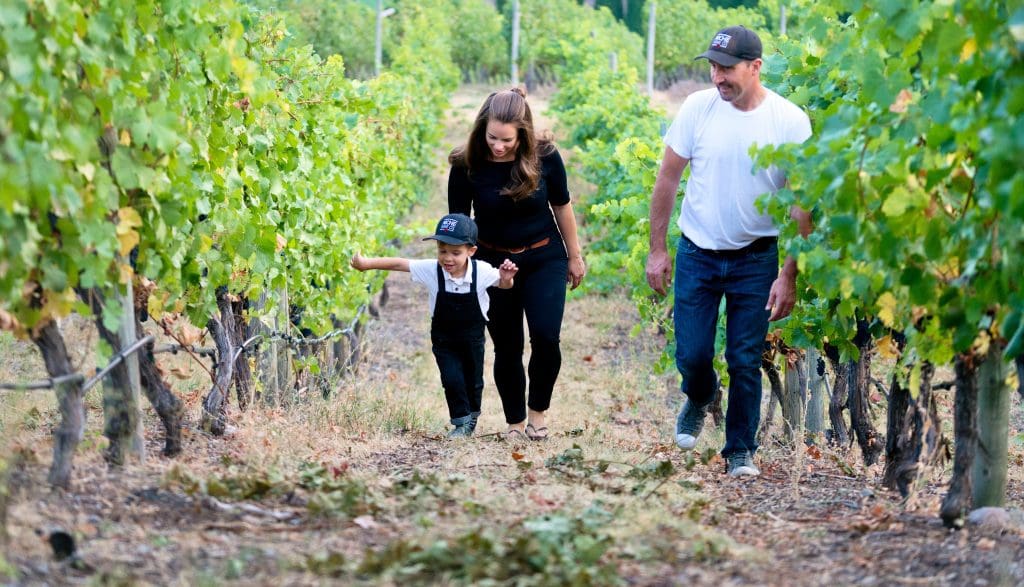
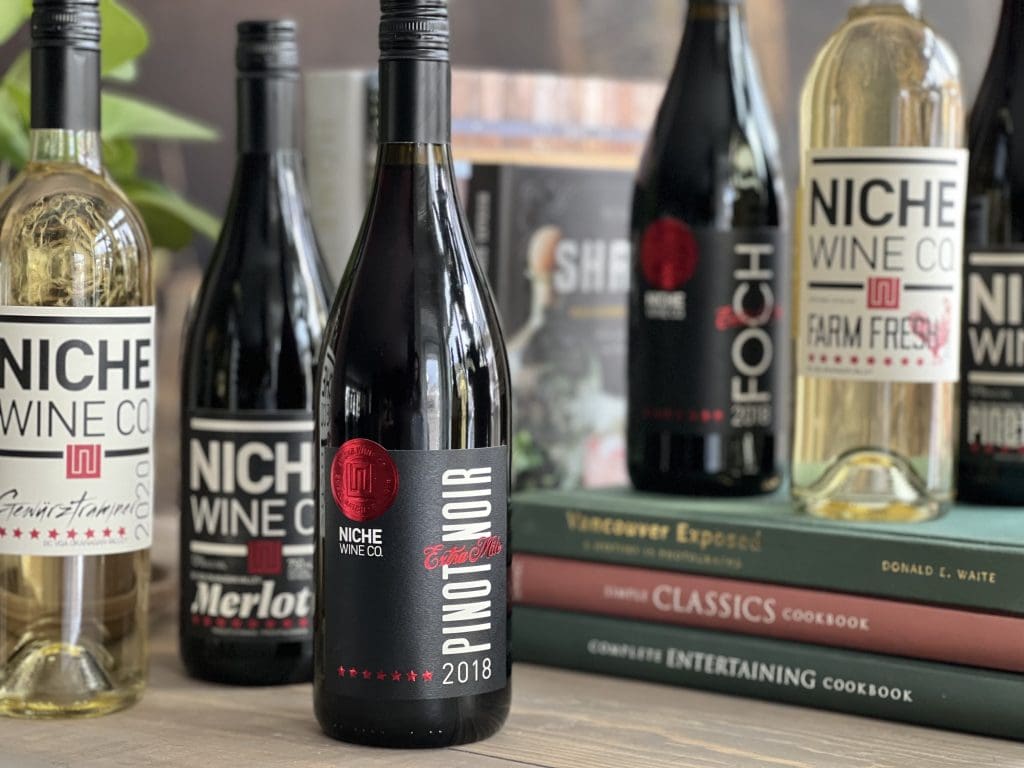
Niche Wine Co. founders James and Joanna Schlosser operate with the ethos that wine is grown, not made. The couple’s approach to winemaking is rooted in a deep connection with the land, thanks to the Schlosser family’s multi-generation farming background and Joanna’s Indigenous ancestry.

“In a world of quick flips, our way of thinking is much different,” says Joanna, who is a member of the Squamish Nation. “Indigenous culture—and seventh generation thinking specifically—has impacted how we run our business and live on the farm; it makes us better farmers and community members.”

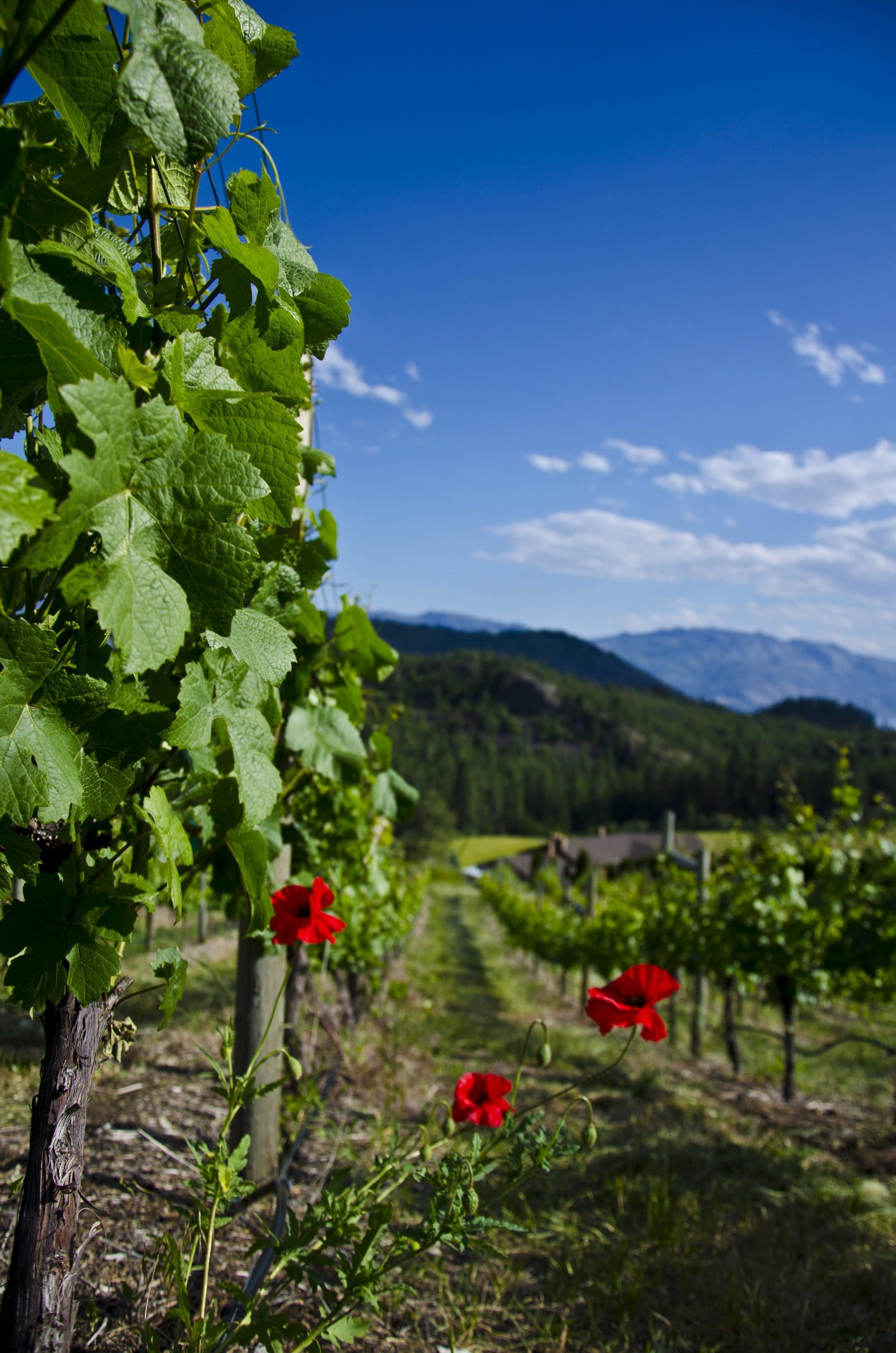
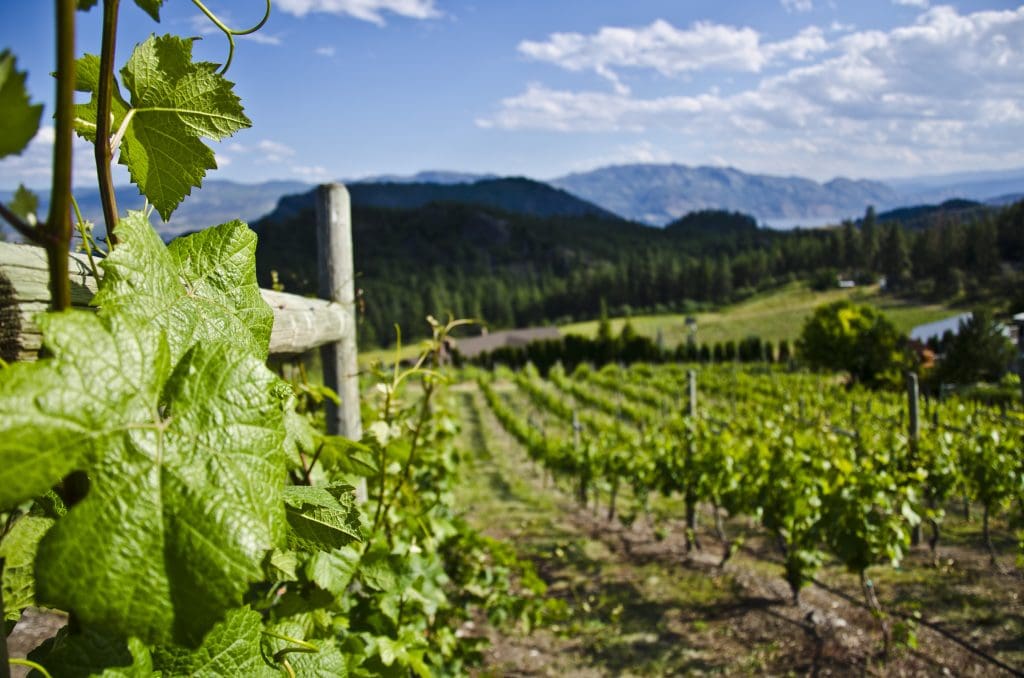
The winery is nestled high in the scenic hills of West Kelowna, just a short drive from downtown Kelowna. James’ parents purchased the property, where James grew up, in 1980 and started planting grapes in the mid ‘90s. Around the same time, James was figuring out his career path, which ultimately led him to Brock University, where Canada’s first Oenology and Viticulture program had been launched. James completed an undergraduate and master’s degree at Brock, and met Joanna while living in Ontario.

“I was working as a flight attendant based out of Toronto, living a very urban lifestyle,” says Joanna. “I had grown up in North Vancouver, so I was not connected to agriculture or seasonality—I feel like wine saved me in a way, because it brought me back to that.”

It was in 2009 that the couple decided to start the winery. Initially, it was a small, grass-roots operation, producing around 50-75 cases of rosé. Living in Vancouver at the time, the pair commuted back and forth frequently, and started selling their wine to small shops in the Lower Mainland. Over time, production grew to 800-900 cases, prompting the need for a larger facility where they could host visitors and enhance their operations.

In the first decade, Joanna says the couple was focused on “growing the best grapes and making the best wines,” while navigating the complexities of farming, grape management, and the highly regulated wine industry. By the fifth year, the pair started applying for wine competitions and connecting with wine writers.

The subsequent award wins and recognition validated their efforts, fueled their passion, and inspired further growth. Their success was made possible thanks in part to the Central Okanagan’s supportive entrepreneurial environment.

Over the years, resources from organizations like Accelerate Okanagan, Prospera Credit Union, and InnovateBC provided valuable support to the winery, helping James and Joanna implement innovative farming practices and grow their business.

“From year nine to fifteen, we had a pretty aggressive growth strategy and used many of Accelerate Okanagan’s programs,” she adds. “Having access to resources like that, and those available through organizations like InnovateBC, changed the trajectory of our business.”

During his time in the grape growing and wine industry, James has also worked with UBC Okanagan and at the Summerland research centres. The advances happening at Okanagan College (OC) are exciting, too, says Joanna.

The winery’s tasting room is one of its distinctive features, as it is integrated with the production area, offering visitors an authentic, behind-the-scenes experience. This approach creates a much more genuine connection to the wine-making process for their guests.

“We want wine to be fun, as it tends to have this mystique that it’s so serious,” notes Joanna. “We try to make the farm feel warm and welcoming for families, fostering a connection to agriculture, even for those people who aren’t wine lovers.”

Regardless of its growth, community has always been at the heart of the winery, particularly through the pandemic and during the devastating wildfires in 2023, which damaged part of the farm and vineyard.

“We have never felt a stronger connection to the community than in the last couple of years,” notes Joanna. “Fires make you pause. We felt the support deeply from the wine community, but also from West Kelowna and the Central Okanagan.”

In recent years, the Schlossers have diversified their offerings to further incorporate sustainable strategies and principles.

“We’ve been running a growler program for three years as a strategy to tackle sustainable living,” explains Joanna. “It’s a practice used in a lot of other wine regions like France, where you can bring wine bottles in and fill them. The program is a great example of looking globally at solutions and figuring out how to work with legislation and rules here to make it happen.”

This summer, Niche opened its Hilltop Patio & Bar, part of the winery’s plan to add depth and breadth for folks interested in more than just wine. Earlier this year, the winery became a member of Tourism Kelowna, providing additional exposure to leisure and business travellers seeking viticulture and agri-tourism experiences. As of the first week of November, travellers can stay onsite at Outside Inn Cabins, three sustainably-built accommodations surrounded by vineyard and valley views, creating a unique immersive experience.

Through Joanna and James’ vision, laser focus, and hard work, Niche Wine Co. is undoubtedly more than just a winery; it’s a testament to the Schlossers’ enduring values of family, community, and environmental stewardship.

“This place is special specifically because of the altitude,” explains Joanna. “It’s completely south-facing and has a breeze that comes up and down the valley, which helps with pest management. It’s perfectly located with easy access to town but still very much in the wilderness.”

“I can’t think of a better place to start and run a business,” says Joanna. “It feels like there is a perfect balance here to create an ecosystem for small businesses like ours to thrive.”

“OC is doing such a great job. The new Centre for Food, Wine and Tourism is going to be transformational, especially when they look to train and retain staff as the tourism and wine industries continue to grow.”